

Everyone needs a night out without the kiddos — start here to plan yours…
Cooking Classes for Kids & Teens
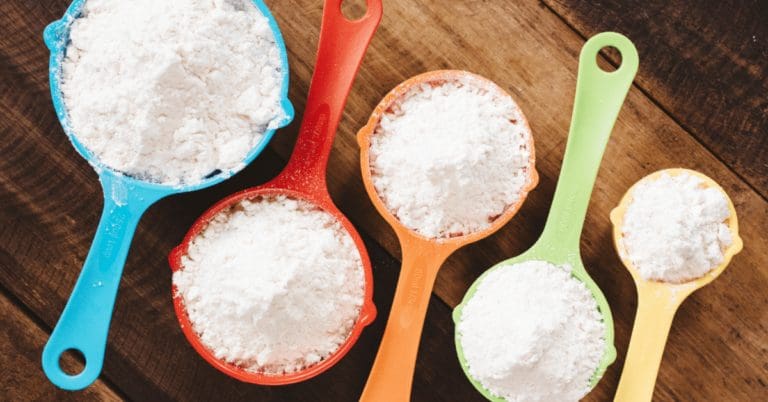
These classes and opportunities will help your kids get on the road to culinary stardom, or perhaps just be a little more self-sufficient after school. Plus, maybe after a few lessons, your next “dinner out” will be at home!
DEDICATED COOKING DESTINATIONS
Cake Time
Chantilly, VA
As our area’s very first cake-decorating studio, guests are invited to choose a cake, cupcake, or cookie (baked fresh on-site, of course!) and decorate a one-of-a-kind confection with an assortment of icing, fondant, sprinkles, and more.
Cookology
Arlington, VA
Kids will enjoy cooking classes with a menu of options you can shake a breadstick at!
Fran’s Cake & Candy
Fairfax, VA
Kids, tweens, and teens are invited to Fran’s Cake & Candy for decorating classes where they’ll create edible masterpieces!
Cookie Classes
McLean, VA
Cookie Classes invites you to decorate with them! These in-person classes cover all things sugar cookies, including icing, dough, and decorating.
Tiny Chefs
Multiple Locations
Tiny Chef cooking events are a great way to introduce children to the joy of cooking and baking!
RETAIL & CATERING DESTINATIONS
The Conche Chocolate & Cake Studio
Sterling, VA
This new dedicated location, separate from their Leesburg, VA, restaurant, offers a variety of classes and opportunities centered on chocolate! Find their events on Eventbrite.
Sur La Table
Multiple Locations
Sur La Table stores offer plenty of cooking opportunities for kids to get started in the kitchen!
Williams-Sonoma
Multiple Locations
This gourmet kitchen store offers occasional weekend cooking classes for kids — a great way to learn a few skills and make new friends.
RESTAURANTS
Maggiano’s Little Italy
Springfield, VA
Occasionally, Maggiano’s offers cooking classes for children packed with fun, creativity, and yummy Italian food!
Matchbox
Multiple Locations
Occasionally, this popular vintage pizza bistro offers kids’ cooking classes centered around pizza!
Melting Pot
Multiple Locations
Occasionally, the Melting Pot offers Little Chefs, where your pint-sized chef-in-training will learn to fondue like a pro!
COMMUNITY/REC CENTERS
There are also a ton of great cooking classes and opportunities available through your municipality’s community/rec center:
- Alexandria, VA
- Arlington County
- Fairfax County
- Fairfax, City of
- Falls Church, VA
- Herndon, VA
- Leesburg, VA
- Loudoun County
- Manassas Park, VA
- McLean, VA
- Prince William County
- Reston, VA
- Vienna, VA
Disclaimer: Event details are curated from public sources and subject to change. Verify all information via the provided links before attending.
Updated June 8, 2026

Halloween Eve @ Capital One Center

This opportunity is over; visit our calendar for up-to-date fun!
Kids and adults alike are invited to wear their Halloween best and enjoy family-friendly activities all afternoon!
Celebrate Halloween with the ultimate costume party and spooktacular bash at Capital One Center! With live music, festive bites and delights, puppies, and more, you won’t want to miss this epic costume party on October 30, 2025!
Festivities include:
- Live music
- Chamber of Chills activation and DJ set
- Puppies in howl-o-ween costumes
- Paint & Sip activity with Italian wines
- Spooky golf at Perch Putt
- Pumpkin pie-eating contests
Costumes are highly encouraged, with spot award gift prizes for the best costumes. Plus, enjoy festive food and drinks, and expect scary creatures to be lurking throughout Capital One Center!
Tickets are required for this special event (link below).
Details:
Website ∙ Eventbrite
Date:
Oct 30, 2025
Location:
The Perch ∙ Tysons, VA
Disclaimer: Event details are curated from public sources and subject to change. Verify all information via the provided links before attending.
Western Loudoun Art & Studio Tour

This opportunity is over; visit our calendar for up-to-date fun!
Pack the car and hit the scenic back roads! The 19th Annual Western Loudoun Art & Studio Tour returns June 5-7, 2026, for a free, self-guided driving tour through the beautiful countryside and historic villages of western Loudoun County.
This beloved community tradition gives art lovers a rare opportunity to visit nearly 50 talented artists across 25+ studios and arts centers — seeing them work, watching live demonstrations, chatting one-on-one, and shopping their work directly. Expect an amazing variety of media, including paintings, pottery, jewelry, photography, fiber, and sculpture. You can even win a door prize or sign up for a class!
Most studios are open all three days, though some are open only on Saturday and Sunday — check the artist pages and use the interactive map to plan your route before heading out.
Details:
Website
Dates:
June 5-7, 2026
Location:
Various Studios ∙ Western Loudoun County, VA
Disclaimer: Event details are curated from public sources and subject to change. Verify all information via the provided links before attending.
Gabby’s Dollhouse Visits the National Children’s Museum
This opportunity is over; visit our calendar for up-to-date fun!
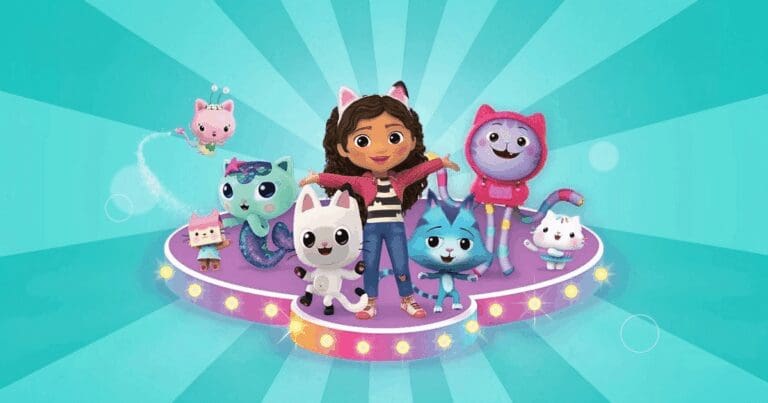
Get ready for a purr-fectly magical adventure — on September 7, 2025, the National Children’s Museum is hosting a very special Discovery Day featuring Gabby’s Dollhouse!
Families are invited to step inside Gabby’s world for a full day of hands-on fun inspired by the hit preschool series from DreamWorks Animation. From a special Meet & Greet with Gabby herself to themed activities throughout the Museum, this celebration is designed to spark imagination and curiosity in little learners.
Children will be whisked away through interactive storytimes, a lively DJ Catnip Baby Jam and Noise Parade, and a paws-itively exciting scavenger hunt featuring Gabby’s feline friends. Plus, the gift shop will have exclusive Gabby’s Dollhouse merchandise, so families can take home a piece of the magic.
Gabby’s Dollhouse MEOWseum Discovery Day is included in the cost of Museum admission. However, access to the Meet & Greet element requires an additional, free registration. Don’t miss this one-of-a-kind day where play, storytelling, and discovery come to life inside the MEOWseum!
There’s plenty more to explore, too! Whether it’s your child’s first visit or their tenth, these features are always worth a visit:
Dream Machine
Best for ages 5-12
Climb into the clouds on a three-story climber and slide.
Engineering Games & Play
Best for ages 3-12
Try engineering and science concepts through the lens of your favorite sports and classic hands-on activities.
Little Dreamers
Best for ages 0-3
A protected cloud- and flight-themed area for infants and toddlers.
Data Science Alley
Best for ages 3-12
Explore figures and statistics through play, and think about the data found in our day-to-day lives.
Art & Tech
Best for ages 3-10
Tap into your creativity with iconic friends from Nickelodeon.
Placita Magica
Best for ages 3-12
A special 50th anniversary exhibit that pays homage to the Capital Children’s Museum.
Weather Worlds
Best for ages 4-12
Shoot lightning bolts, make it rain, and more with this green screen experience.
Climate Action Heroes
Best for ages 4-12
Discover your special climate-action superpower through a physical flow quiz.
Little Movers
Best for ages 0-3
A protected free-movement space for infants and toddlers to build gross and fine motor skills.
Tinkering Corner
Best for ages 3-12
Design, create, test, and build in National Children’s Museum’s creative hub.
Light House
A hands-on maze where kids experiment with light and color, created by the Museum’s artist-in-residence, Katherine Tzu-Lan Mann.
Details:
Website
Date:
Sept 7, 2025
Location:
National Children’s Museum ∙ Washington, DC
Disclaimer: Event details are curated from public sources and subject to change. Verify all information via the provided links before attending.

Navigating Food Allergies During the Holidays

By Fairfax Neonatal Associates
Food allergies have been on the rise over the past decade in the US. They have become an important public health concern due to the number of children affected. In infants and young children, cow’s milk continues to be the most common allergy. While the vast majority of children “outgrow” this allergy, that is not the case for all food allergies. Allergies to nuts and seafood are more likely to persist throughout life.
For parents of a child with food allergies, the holidays can be a stressful time. The holidays can bring fear of accidental exposure to food allergens in vulnerable children. Many holiday foods contain at least one of the top eight allergens: milk, egg, wheat, soy, peanut, tree nuts, fish, and shellfish. This can make it difficult for kids with food allergies to enjoy holiday meals and treats.
Even a trace amount of allergen could cause a food-allergic child to go into anaphylaxis, a potentially life-threatening reaction. Parents of children with food allergies need to be extra cautious around the holidays and remember two important steps in prepping for the holidays to keep their food-allergic children safe: always carry an epinephrine 2-pack and review their food allergy action plan to recognize signs and symptoms which would indicate the need to administer epinephrine.
Food allergies do not have to dampen the spirit of the holidays, however. Here are a few tips to help ensure a safe and happy holiday season:
∙ Offer to host and cook only dishes that are safe for your child. If it is a potluck, choose to take several safe dishes and avoid other foods.
∙ Do not allow your child to eat any food for which you do not have a list of ingredients.
∙ Prepare your child’s plate first, so there is no chance of cross-contamination from the switching of serving utensils between dishes.
∙ Take time to explain your child’s food allergy to wait staff, chefs, caregivers, and relatives. Not everyone understands that even small amounts of food protein can trigger a reaction.
∙ For those with a peanut allergy, avoid places such as ice cream shops, bakeries, buffets, and Asian food restaurants. Be especially careful with desserts and sauces.
∙ For school parties, plan to attend if your child is younger. If you can’t attend, talk to the teacher ahead of time and designate an adult and friend who can ensure your child eats only foods that are safe for him or her.
∙ Send a safe treat for your child in case they cannot have any of the food provided at the party.
∙ Communicate to your child ahead of time about your plan for staying safe during the holidays. If your child knows that they will not be left out of the fun and will still get to indulge in tasty treats, they will be more willing to follow the rules and help keep themselves safe.
∙ Know that not all holiday fun has to involve food. Create family traditions that don’t revolve around food, such as reading a special holiday book, watching holiday movies, and making holiday decorations.
∙ If you leave your child in the care of a babysitter or relative, always provide education on cross-contamination, recognition of allergic reactions, and treatment. Be sure to have your child’s food allergy action plan accessible.
∙ What about Grandma’s kiss? If someone has consumed peanut or another allergen, a kiss on the cheek is unlikely to cause a systemic reaction. Contact (skin) reactions may lead to no symptoms or localized ones, such as a few hives at the site that can resolve once the area is washed. Know that ingestion is the primary trigger for significant reactions.
∙ Be prepared and always carry your epinephrine 2-pack. Even if your child had only a mild reaction previously, be prepared for a severe reaction. Prior reactions are not good predictors of future ones. Epinephrine can readily reverse any allergic reaction symptom (if its use is timed appropriately) and is the first line and only treatment for anaphylaxis.
∙ As your child grows, the challenges you face will change. While toddlers have “curious” hands, teens “take risks.” Take time to plan ahead this holiday season and work with your child on a plan that works for the whole family.
US Asian Fest

This opportunity is over; visit our calendar for up-to-date fun!
Experience the best of Asian culture at the US Asian Fest on September 6, 2025!
Held at Dulles Town Center in 2025, this event boasts delicious eats, traditional cultural performances, and international artists throughout the day and night!
Savor the foods and flavors of Asia, shop from a variety of unique merchants, and enjoy the traditional dances, music, and art.
Tickets are on sale now for the main event along with lots of add-on options.
Details:
Website ∙ Eventbrite
Date:
Sept 6, 2025
Location:
Dulles Town Center ∙ Dulles, VA
Disclaimer: Event details are curated from public sources and subject to change. Verify all information via the provided links before attending.